Holiday Drinking and When It Crosses a Line
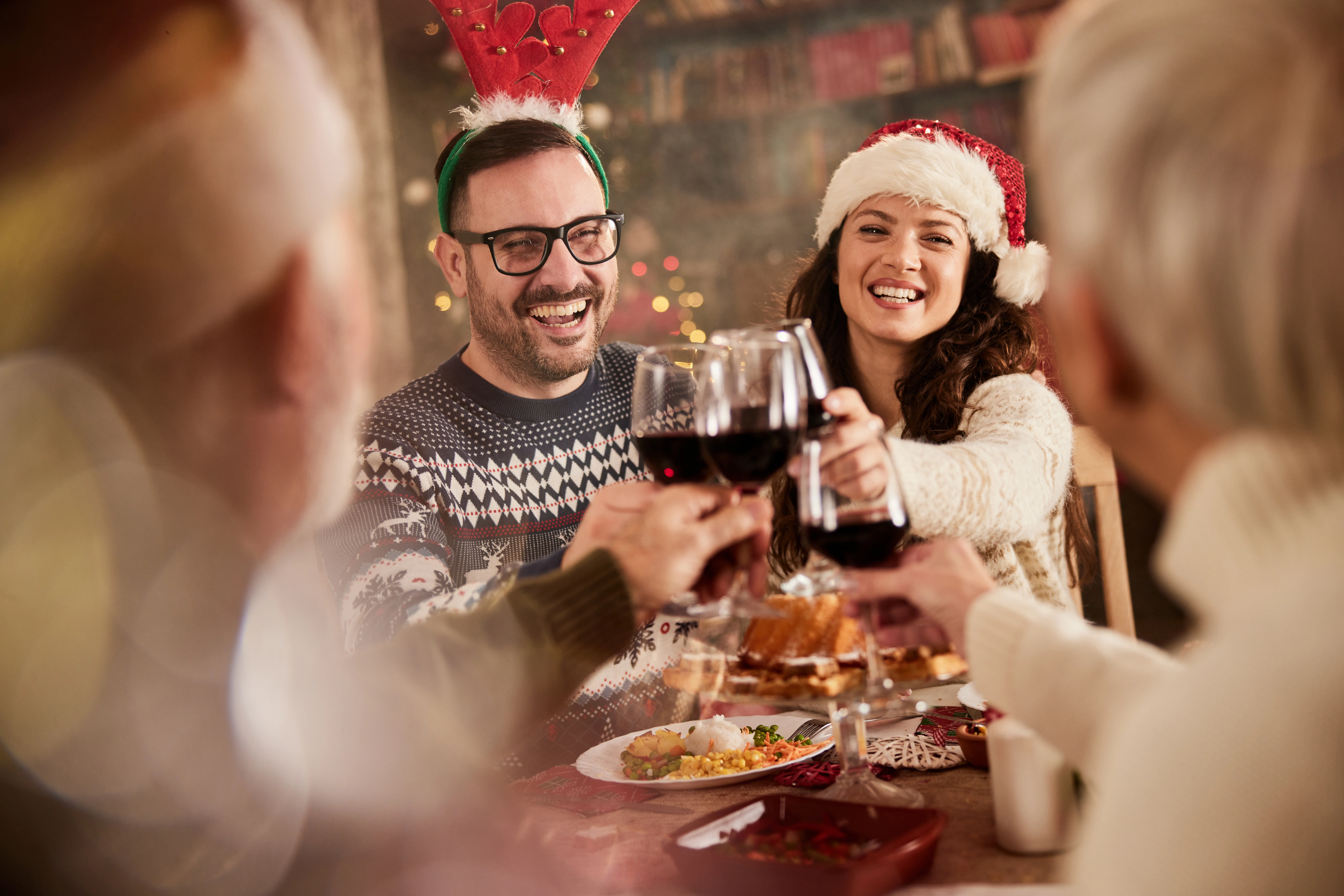
The holidays are often associated with celebration, connection and tradition. For many people, alcohol becomes part of that picture. Office parties, family gatherings and end-of-year celebrations can make drinking feel expected or even unavoidable. While having a drink during the holidays does not automatically mean there is a problem, this time of year can blur the line between social drinking and unhealthy patterns.
For some, the holidays quietly expose concerns that have been building all year. For others, increased stress, loneliness or emotional pressure can push drinking habits into risky territory. Knowing when holiday drinking crosses a line can help prevent long-term consequences and create space for healthier choices.
Why Alcohol Use Often Increases During the Holidays
Holiday drinking tends to rise for several reasons. Social norms play a role, as alcohol is frequently present at gatherings and celebrations. Stress also contributes. Pressures stemming from family dynamics, financial strain, work deadlines, travel, grief or unresolved conflict can make alcohol feel like a quick way to relax or cope.
Shorter days and colder weather can also affect mood. Seasonal depression and emotional fatigue may lead some people to drink more often or in larger amounts than usual. When alcohol becomes a way to manage emotions rather than enhance a social moment, the risk of misuse increases.
Why Drinking at a Work Holiday Party Is Riskier Than It Seems
Work holiday parties are one of the most common settings where people drink more than they intended, often without realizing the potential consequences. Even when alcohol is provided or encouraged, these events are still professional environments.
Alcohol lowers inhibitions and impairs judgment. This can lead to behaviors that may feel harmless in the moment but carry lasting consequences. At work-related events, drinking can result in:
- Saying things that are overly personal, inappropriate or unprofessional
- Misreading social cues or boundaries with coworkers or supervisors
- Drawing unwanted attention that affects workplace reputation
- Increased risk of conflict, embarrassment or complaints
- Driving under the influence after the event
Unlike a private gathering, the impact of a work party does not end when the night is over. Colleagues remember interactions, and impressions formed during these events can influence professional relationships long after the holidays pass.
For individuals who already feel pressure at work, struggle with anxiety, or use alcohol to cope with stress, work holiday parties can be especially triggering. Drinking in these settings can amplify emotions and increase the likelihood of regret or shame afterward.
When Drinking Shifts From Occasional to Concerning
One of the challenges with holiday drinking is that excess often feels normalized. When everyone around you is drinking more, it can be hard to recognize changes in your own behavior. Some signs that drinking may be crossing a line include:
- Drinking more frequently or in larger amounts than intended
- Feeling pressure to drink in order to fit in or relax
- Using alcohol to cope with stress, anxiety or emotional discomfort
- Feeling irritable, restless or low when not drinking
- Experiencing memory gaps or blackouts
- Making excuses for drinking or minimizing concerns from others
These patterns often develop gradually and can be easy to dismiss during the holidays.
The Emotional Side of Holiday Drinking
Alcohol affects mood and emotional regulation. While it may initially create a sense of relaxation or escape, alcohol is a depressant that can worsen anxiety, sadness and irritability over time. During the holidays, this can intensify emotional reactions, lead to conflict with loved ones or deepen feelings of loneliness.
People living with anxiety, depression, trauma or chronic stress may be especially vulnerable during this season. Alcohol can interfere with sleep, increase emotional volatility and make it harder to cope with everyday challenges.
Warning Signs That Alcohol Is Causing Harm
Beyond changes in drinking patterns, there are signs that alcohol may be negatively impacting daily life. These include:
- Difficulty keeping up with responsibilities at work or home
- Strained relationships or repeated arguments related to drinking
- Risky behaviors such as driving after drinking or mixing alcohol with medications
- Physical symptoms such as disrupted sleep, headaches or digestive issues
- Feelings of guilt, shame or regret after drinking
If these signs appear during the holidays, they often continue beyond the season if left unaddressed.
Why Waiting Until January Can Increase Risk
Many people tell themselves they will reassess their drinking after the holidays or make changes in the new year. While reflection is important, delaying action can allow habits to deepen. Continued drinking can increase tolerance and make it harder to cut back later.
Once the holidays end, people may also experience a sudden drop in mood or motivation. This emotional shift can further increase reliance on alcohol as a coping mechanism.
A Healthier Way Forward
Questioning your relationship with alcohol does not mean you have failed. It means you are paying attention. Support can look different for everyone. Some people benefit from learning healthier coping strategies, while others need structured treatment to safely reduce or stop drinking.
Addressing alcohol use early can protect your mental health, relationships and professional life, especially during a season that already brings heightened stress.
At Bluff Augusta, we understand how easily alcohol use can escalate during the holidays and how difficult it can be to recognize when it has crossed a line. Compassionate, professional support is available for those who are ready to explore a healthier path forward.